Why the name is the least useful thing on the bottle
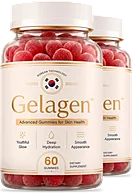
12 September 2026Gelagen sounds like a collagen product. Read the Supplement Facts
panel and there is no collagen on it, which is worth knowing before rather than
after the order.
What the panel does carry is vitamin C, and that is the more interesting
fact. Collagen is built inside the body from amino acids, and two of the
enzymes that stabilise a new collagen strand cannot work without vitamin C.
A supplement that supplies the vitamin is doing something different from one
that supplies the protein, and neither claim is the other.
The honest way to read this bottle is as a thirteen-nutrient gummy for skin,
hair and nails, priced and dosed as such. The name is branding. The panel is
information.
Reading a Supplement Facts panel without being sold to
12 September 2026Three columns, and the third is the one people skip. The amount tells
you what is in a serving; the percentage tells you what that amount is against
a daily value, and it is where the surprises live.
On this label, biotin is 5000 mcg. Beside it sits a percentage in the tens
of thousands, which is not a typo and not unusual for a hair and nail gummy —
the daily value for biotin is 30 mcg. Vitamin B12 is 250 per cent, B6 is 118,
folate 111. Vitamin A, at 630 mcg, is 70 per cent, and it is the one that adds
up fastest if a multivitamin is already in the mix.
None of that is a verdict on the product. It is what lets somebody already
taking something else work out their real total, which no blend without numbers
will ever allow.
Three grams of sugar, and why a gummy has it
12 September 2026A serving of Gelagen is two gummies, ten calories and three grams of
sugar, all of it added. Those figures are on the panel and on the homepage of
this site.
Sugar is not there for flavour alone. A pectin gummy sets by combining
pectin with sugar and acid; take the sugar out and the base stops behaving like
a gummy. That is why sugar-free versions of this format are generally built on
a different gelling system altogether.
Three grams is roughly two-thirds of a teaspoon, and the panel puts it at
six per cent of a daily value. Whether that is worth it depends on what else is
in the day — which is a decision the label at least gives you the numbers to
make.